Before Pigmentation Treatment: Sun Spots, Melasma and Post-inflammatory Marks
Ask what the mark is before choosing a procedure
If you are planning an autumn visit to Seoul, start a pigmentation consultation with the question of diagnosis, not a preselected pico-laser package. Sun spots, melasma and post-inflammatory hyperpigmentation can look similar and can coexist. A photograph or colour alone cannot establish the cause. A change of season does not make everyone ready for laser treatment.
Three useful terms, not a self-diagnosis chart
Solar lentigines, often called sun or age spots, are associated with accumulated sun exposure. However, not every spot that resembles one is the same benign condition. Melasma commonly involves patches of altered pigmentation and can recur. Post-inflammatory hyperpigmentation may follow acne, irritation or an injury to the skin.
These descriptions help you follow a consultation; they are not rules for diagnosing yourself. Freckles, moles and other lesions may also be called dark spots. A clinician needs to assess them, and visible fading does not establish a permanent cure.
Why one laser package cannot fit every pigment concern
The first step may be managing irritation, changing skin care or discussing topical treatment, rather than a procedure. Laser is not a universal first step for melasma. Whether a light-based procedure is appropriate, and how it fits with ongoing care, requires an individual assessment.
A post-inflammatory mark does not automatically call for a stronger repeat treatment. Some procedures can cause further irritation or pigment changes. Ask about the likely benefits, risks of increased or reduced pigmentation, and the option of not proceeding. More energy is not a patient selection rule.
Imaging supports assessment; it does not replace diagnosis
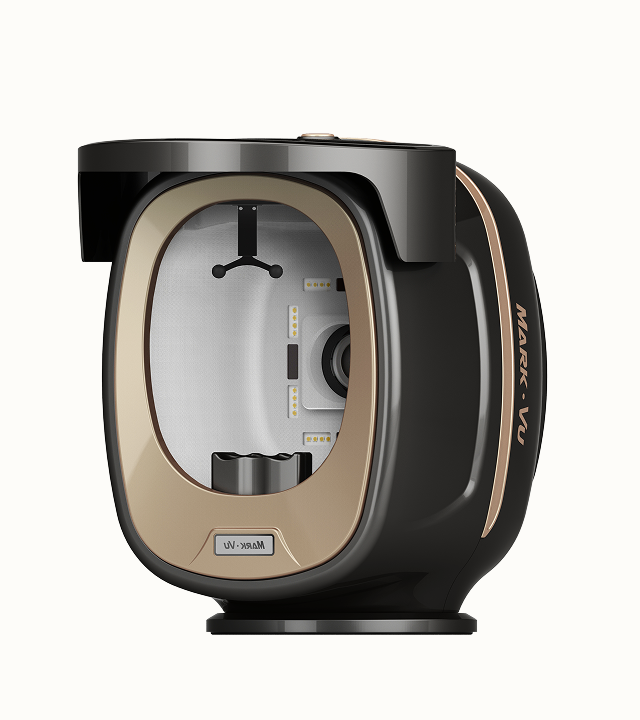
The cover is the Mark-Vu skin imaging device shown on Gold J’s equipment page. Its name and appearance have been checked. It is not a pico laser and the picture is not a treatment result. Imaging can support a discussion, but a report alone cannot establish the nature of a lesion, rule out disease or choose a procedure.
The clinician decides which examination is appropriate and whether further assessment is needed. The article does not promise a particular imaging test at every appointment.
Bring five kinds of information
Prepare the onset and recent changes, with older unfiltered photographs if available; any preceding acne, dermatitis, scratches or sunburn; skin-care products, topical and prescription medicines and supplements; previous procedure dates, devices or products and reactions; and your return-travel and review availability.
Do not stop prescribed medicines, start an acid treatment or buy an unidentified lightening product just to prepare for booking. Bring ingredient lists and medication records, and involve the prescribing clinician when appropriate.
Continue appropriate protection beyond a season
Cooler weather is not a reason to abandon sun protection. Discuss suitable products, shade and reapplication for your skin; people with melasma can also ask about visible-light protection. Repeatedly irritating skin that stings or peels is not a shortcut to an even tone.
After a procedure, follow your individual written instructions for products and their timing, not a universal recovery calendar. A mark or mole that changes size, shape or colour, bleeds or repeatedly breaks down needs medical assessment before a cosmetic laser booking. Chat photographs cannot replace a necessary examination.
FAQ: can the same colour be treated with the same device?
Not necessarily. Similar appearances can have different causes, and several conditions may coexist. Establish the diagnosis before choosing a method.
FAQ: must all melasma avoid lasers?
There is no blanket rule. A clinician may consider a procedure alongside other care in selected circumstances, but it is not a universal first choice or a promise of one-session clearance without recurrence.
FAQ: does darker skin require more energy?
Do not make that assumption. Settings depend on skin tone, the lesion, history and risk assessment. Do not copy settings found online.
Booking and next steps
Gold J Clinic is at 408 Teheran-ro, Daechi Building, 8th floor, near Seolleung Station Exit 1; phone 02-501-7715. Published hours are weekdays 10:00–19:30, Saturday 10:30–16:00, with lunch 13:00–14:00. Confirm holidays, the treating clinician and language support.
Use the current contacts below and see the related guide to quote units and included services. This is general consultation preparation, not a new-device announcement or a personal diagnosis. No result, session count, recovery period or price is guaranteed. Foreign patient guidance does not establish Korean approvals or eligibility.
Sources
- AAD: melasma diagnosis and treatment
- DermNet: postinflammatory hyperpigmentation
- British Association of Dermatologists: melasma
- AAD: assessment before treating age spots
- NHS: changing moles
- 日本皮膚科学会:色斑の自己診断を避ける
- Gold J: equipment and cover source
- Gold J: location and hours
Visit and contact Gold J Clinic
408 Teheran-ro, Daechi Building, 8th floor, Gangnam-gu, Seoul. Seolleung Station, Exit 1.
Weekdays 10:00–19:30; Saturday 10:30–16:00; lunch 13:00–14:00. Confirm holiday hours before visiting.
LINE · WeChat